
Running a fence company takes a lot of coordination. An estimate depends on measurements, materials, labor, price, the schedule, and what the customer expects. Change one and you create work in the others.
For years, we used different software products to manage different pieces of the business. They never quite worked together the way we needed, so we started building our own.
It started with the schedule
The production schedule was one of the first things we worked on. A weather delay or a slow install would push other jobs, crews, and material deliveries, and we’d have customers to call. We wanted to see all of that without rebuilding the schedule by hand every time something changed.
So we tried building our own on Replit. Once we saw what was possible, we kept going.
Other contractors wanted it
We added estimating, pricing, customer communication, materials, and the tools the office uses to run jobs. Other contractors wanted to use it, and we started onboarding companies outside our own.
fenceOS is now a commercial product. It puts in one place the parts of the business that usually sit in spreadsheets, inboxes, text threads, and apps that don’t talk to each other.
It has four connected parts, plus two tools for the money decisions around them.
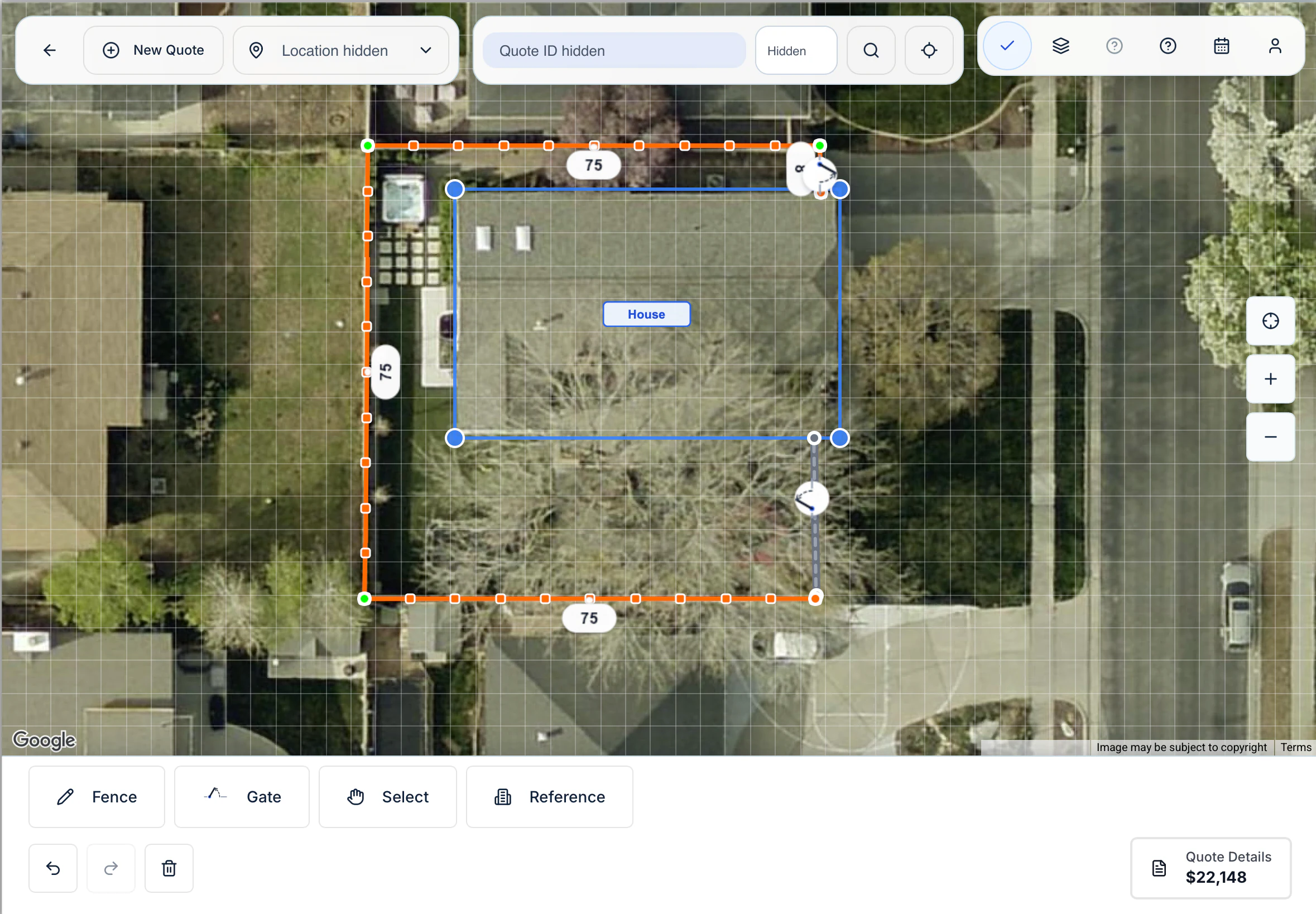
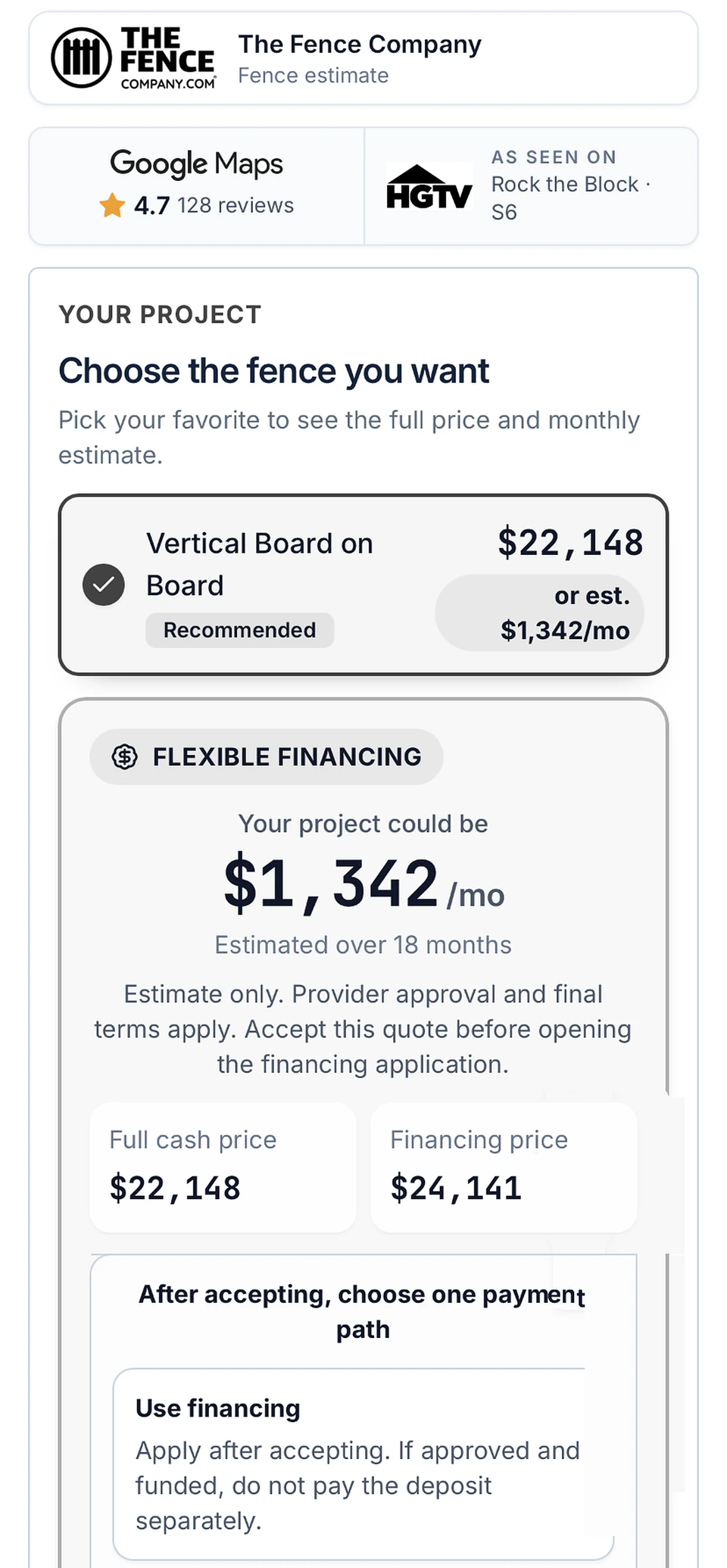
- Estimator, for drawings, measurements, pricing, and proposals.
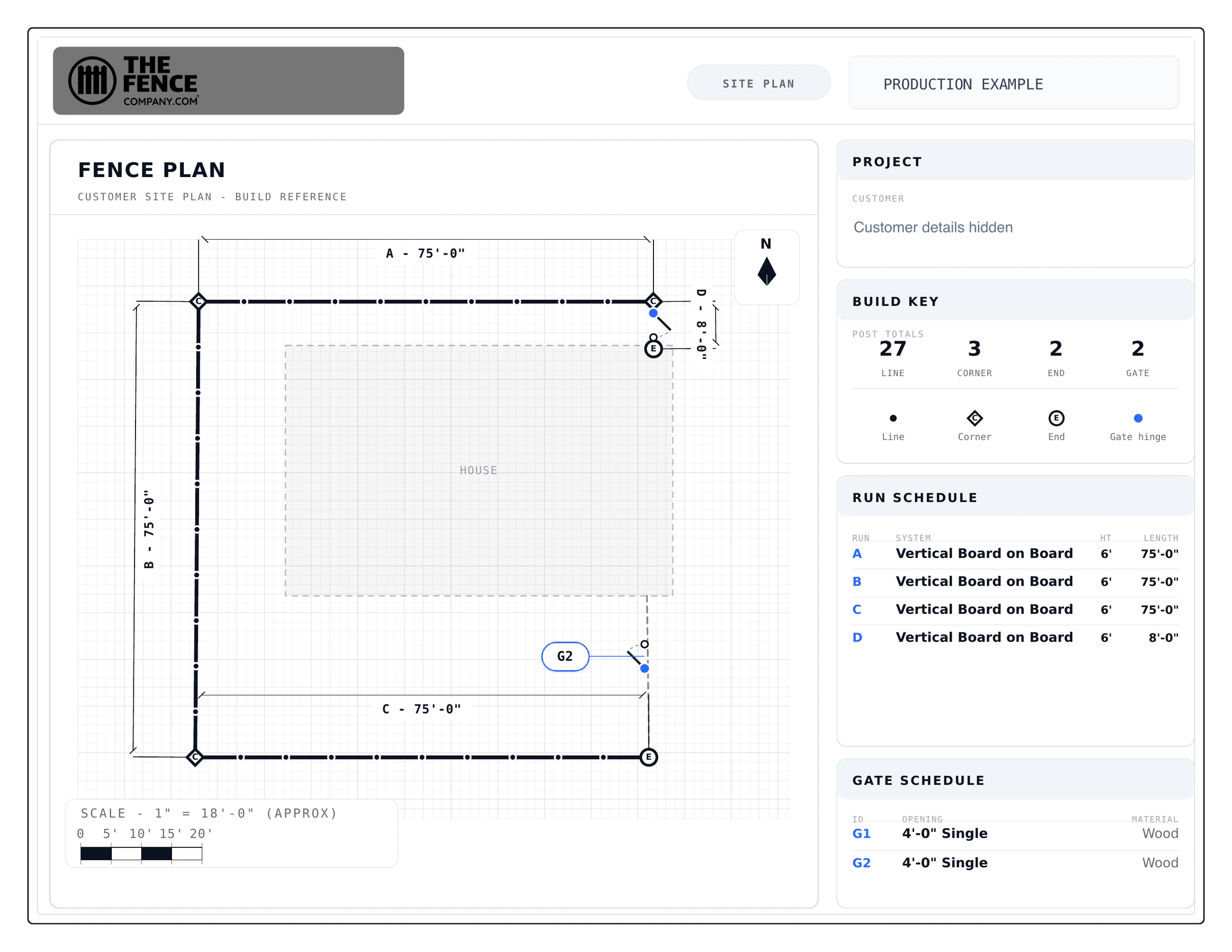
- Operator, for the work that starts after a project is sold.
- Communicator, for customer conversations and sales workflows.
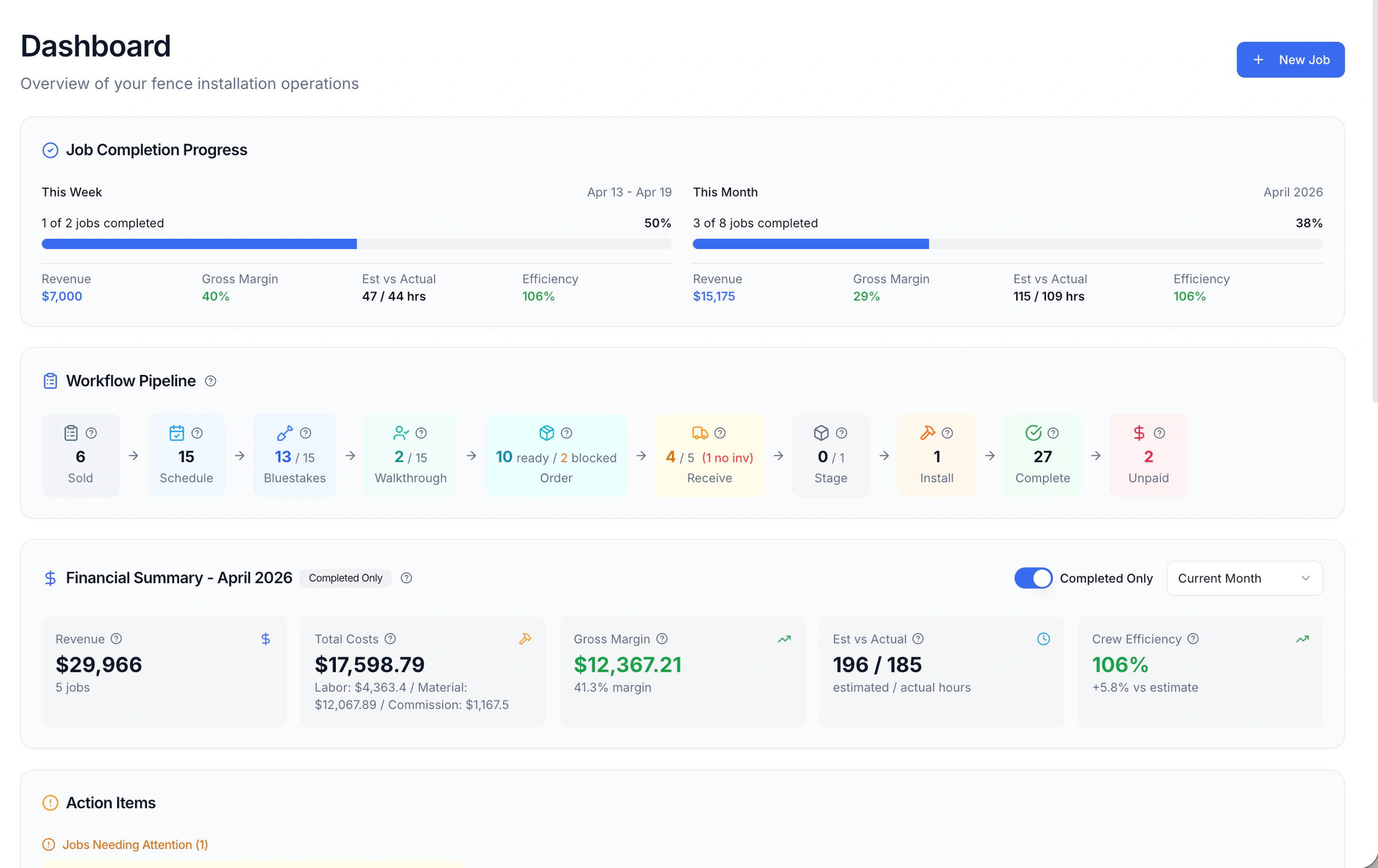
- Finance and analytics, for seeing how the business is doing.
- Matrix, for operating budgets and planning.
- Cash Copilot, for cash forecasts.
How it gets built
I build most of it by directing AI coding agents. I decide what the product needs to do and how it should be put together, based on how we run the business. Replit, Codex, and Claude write the code.
I’m still responsible for all of it. A product in production needs testing, permissions, deployments, data design, integrations, and careful decisions about what customers can see and do.
We’ve had to learn those parts while running the business. Real customers depend on it, which is a harder test than a demo.
What I learned
fenceOS began because we wanted to run our own business better. Now other contractors get tools that would have been hard and expensive to build on their own.
The bigger thing I learned is that if you understand the problem, you can now do a lot more of the building yourself.
Where it is now
The core of it is simple. Draw the fence, price it, send the proposal, then run the job. Each step picks up the information from the one before.
The standard hasn’t changed. It has to make sense to the person using it, and it can’t break when the business depends on it. We’re also looking at what shared systems could do for a wider network of contractors. That’s early.
Visit fenceOS